
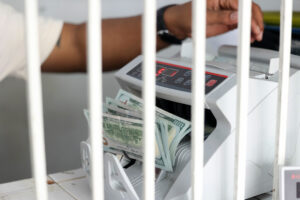
Philippine remittances outlook and what businesses should watch
Philippine remittances remain one of the strongest drivers of household spending and domestic demand in the country. Monthly Philippine remittances can fluctuate due to timing, seasonal transfers, and global labor market conditions.
Overseas Filipino remittances remain one of the most stable sources of support for the Philippine economy. These inflows help strengthen household purchasing power, boost domestic consumption, and provide foreign exchange that contributes to overall economic stability. However, recent data show that remittance levels may fluctuate month to month due to timing, seasonal patterns, and global conditions.
In November 2025, cash remittances coursed through banks reached $2.91 billion, reflecting a 3.6% increase compared to the same month last year. Despite the year-on-year improvement, the figure also marked the lowest monthly level in six months, indicating a slowdown in remittance inflows compared to previous months. For SMEs, Philippine remittances often influence consumer purchasing behavior, especially during peak seasons.
This shift is worth understanding, not as a cause for alarm, but as an indicator of how remittances behave across the year and how these trends influence consumer activity, particularly during the holiday season.
Why Remittances Can Drop Even When the Yearly Trend Is Up
Monthly remittance levels often rise and fall in predictable cycles. During the last quarter of the year, inflows commonly increase due to holiday spending and family support. However, the timing of remittance transfers can vary. Many overseas workers send money earlier than expected for advance holiday expenses, school-related costs, or emergency support.
This means that a “dip” in November does not automatically signal weakening remittance fundamentals. It may reflect that a portion of holiday-related remittances was already sent earlier, especially in October.
For business owners, especially in retail, services, and consumer-focused sectors, understanding this timing pattern is important. It helps explain why certain sales periods peak earlier in some years, even before traditional holiday rush months.
Year-to-Date Remittances Still Show Growth
While the monthly number reached a six-month low, the bigger picture remains positive.
From January to November 2025, total cash remittances amounted to $32.11 billion, which is 3.2% higher than the previous year’s level for the same period. This indicates that remittances continue to contribute steadily to consumption and currency inflows, even with monthly variations.
This sustained growth supports a key point: remittances remain a long-term anchor for domestic demand. Even during periods when external sectors face uncertainty, remittances help stabilize spending in many Philippine communities.
What the Data Suggests About Overseas Workers
Remittance inflows come from both land-based and sea-based workers. According to the BSP-reported breakdown, land-based workers contributed the larger share, while sea-based remittances also grew year-on-year.
This matters because the health of remittance inflows is closely tied to overseas labor markets and global hiring conditions. Any slowdown in demand for OFW labor abroad, changes in regulations, or disruptions in overseas employment can eventually affect remittance levels at home.
For the Philippines, maintaining workforce competitiveness abroad remains critical. The stronger the demand for Filipino talent overseas, the more stable remittances remain as an economic driver.
Why Remittances Matter to Local Businesses
Remittances impact the economy in practical ways beyond national statistics. In many households, remittances fund daily needs, tuition, home improvements, medical expenses, and small investments. This spending flows directly into local economies.
For SMEs, especially those operating in food, retail, home services, education support, and local lending, remittance-supported spending can influence monthly revenue patterns. When remittance inflows rise, demand becomes stronger. When remittances ease, businesses may see consumers become more cautious.
This is why even small changes in monthly remittance patterns can influence consumer behavior at the community level.
Holiday Spending and Consumer Timing
The timing of remittance inflows affects holiday demand. If remittances are sent earlier, consumer spending may also occur earlier. Some households may already have completed key purchases ahead of November.
Businesses that rely heavily on Q4 sales can benefit from anticipating these patterns by adjusting promotions, inventory planning, and advertising schedules. Instead of focusing only on late November and December, some businesses can strengthen performance by running earlier campaigns when remittance inflows start to rise.
Outlook: Why Remittance Stability Still Matters
Remittances continue to be viewed as a stable pillar of foreign exchange and household support. BSP expectations suggest continued growth in remittances.
However, businesses should remain aware that monthly movements are influenced by timing and seasonal factors. The smarter approach is to track trends year-to-date and understand how local customer behavior aligns with overseas sending patterns.
For entrepreneurs and SMEs, the key advantage is preparedness. With better tracking, stronger systems, and predictable campaign timing, businesses can reduce dependence on guesswork and respond to real-world consumer cycles.
Read more on DTI Negosyo about business automation and systems that improve sales follow-ups and customer retention. Tracking Philippine remittances can help business owners plan promotions, inventory, and seasonal sales cycles more accurately.
Disclaimer: This article is published by DTI Negosyo for educational and informational purposes. It is an original write-up based on publicly available reports and economic data and does not reproduce any third-party article verbatim. This content is not financial advice.
Leave a Reply